Action Cameras for Cycling Without Overcomplicating the Ride
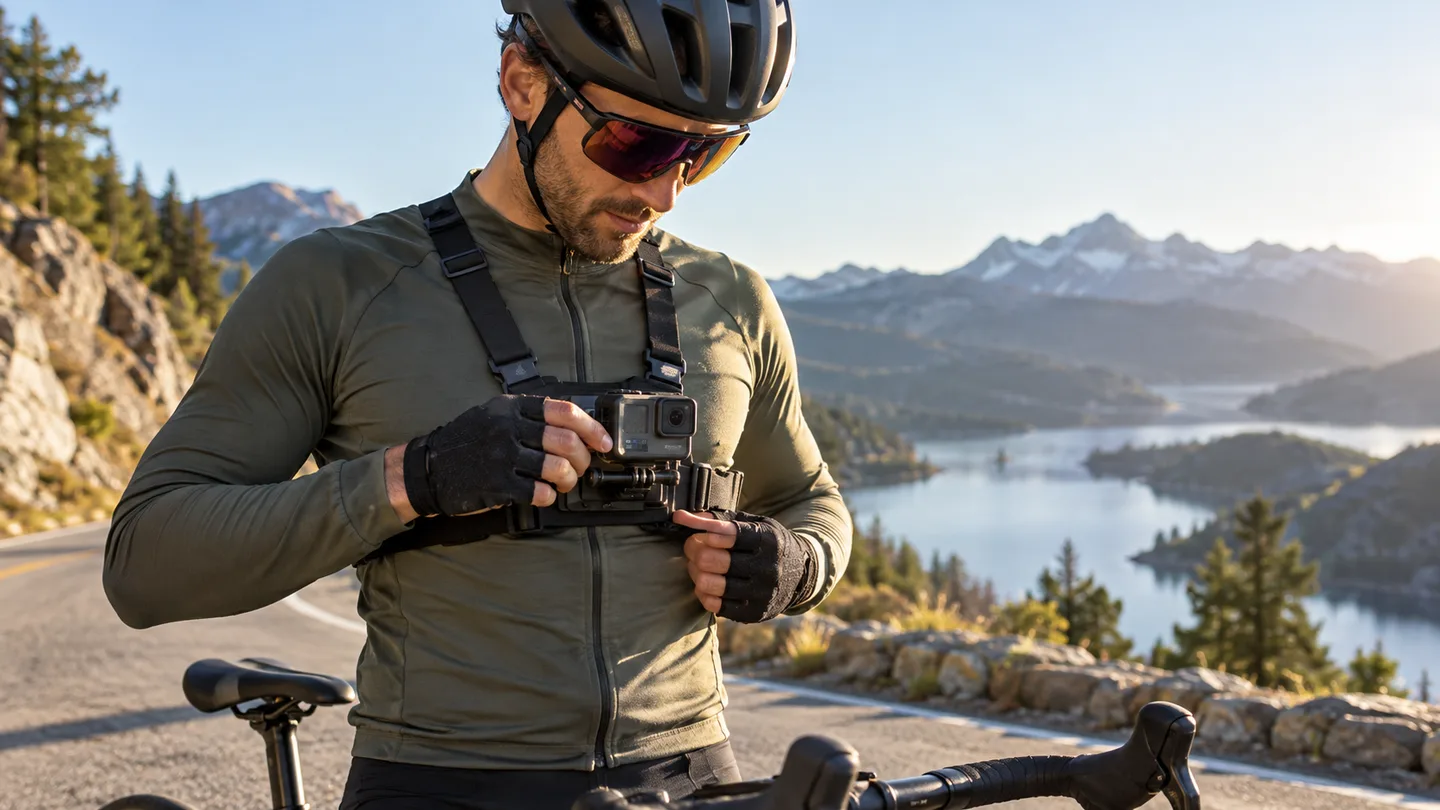
The route is beautiful, but stopping to change settings every ten minutes breaks the rhythm of the ride. An action camera works best when the mount is secure, the main setting is chosen in advance, and the record button is easy to confirm.
Buy around mounting and workflow. A reliable, easy-to-reach camera in a sensible mode captures more useful footage than a feature-heavy camera left in the bag.
This guide is designed for a real purchase decision rather than a theoretical list of features. We have not claimed personal testing here; the advice is based on published product information, compatibility needs, and the way the category fits an ordinary routine.
What matters most in daily use
Before opening a dozen product tabs, write down what success looks like in the scene above. These are the three checks we would make first:
- A mount that stays secure without interfering with safe riding. Confirm it in the product documentation and make sure it applies to the exact version you are considering.
- Battery and storage for the length of clips you actually want. Confirm it in the product documentation and make sure it applies to the exact version you are considering.
- Controls that provide clear recording feedback. Confirm it in the product documentation and make sure it applies to the exact version you are considering.
How to buy without overcomplicating it
Practice mounting and removing the camera before the ride. Use a secondary tether where appropriate and review local rules about filming others.
Then compare two or three options at the same time, using the same questions for each one. Keep price out of the first pass. Once the obvious mismatches are gone, compare the remaining cost against the convenience or reliability you would actually notice.
Three sensible buying paths
A compact stabilized camera used for selected sections of the route.
This path suits readers whose routine matches the description. Check current compatibility, seller terms, and the return window before ordering.
Compare current optionsA lower-power recording plan with accessible spare batteries.
This path suits readers whose routine matches the description. Check current compatibility, seller terms, and the return window before ordering.
Compare current optionsA phone or small camera used only during safe, stationary stops.
This path suits readers whose routine matches the description. Check current compatibility, seller terms, and the return window before ordering.
Compare current optionsWhat not to overpay for: Do not adjust the camera while moving, block helmet safety features, or let filming distract from traffic and trail conditions.
A practical setup checklist
- Unpack carefully and keep the packaging until compatibility and comfort are confirmed.
- Update only through the maker's official app or support channel when an update is required.
- Test the product in the room, vehicle, bag, or trip workflow where it will really be used.
- Check every cable, mount, account, and accessory before the return window closes.
- Write down one reason to keep it. If the product does not solve that problem, send it back rather than inventing a use.
Frequently asked questions
How should I set a budget for this purchase?
Start with the least expensive option that meets the three checklist items in this guide. Spend more only when a specific improvement—better fit, easier controls, stronger compatibility, or lower maintenance—solves a problem you already have.
Do I need the newest model?
Usually not. A current model is worthwhile when it adds compatibility, safety support, or a feature your routine depends on. Otherwise, a well-supported previous model can be the better value if its condition, return policy, and accessories are clear.
How does GizmoBrook choose recommendations?
We begin with the real-life scenario, compare published product information and compatibility requirements, and make the tradeoffs explicit. Unless an article specifically says otherwise, we have not performed laboratory or long-term hands-on testing.
Our bottom line
Buy around mounting and workflow. A reliable, easy-to-reach camera in a sensible mode captures more useful footage than a feature-heavy camera left in the bag. The point is not to build the most impressive setup. It is to remove a small, recurring frustration with the least complicated purchase that genuinely works.